

Surge Protection 101: Protecting Your Electronics During Colorado Storms
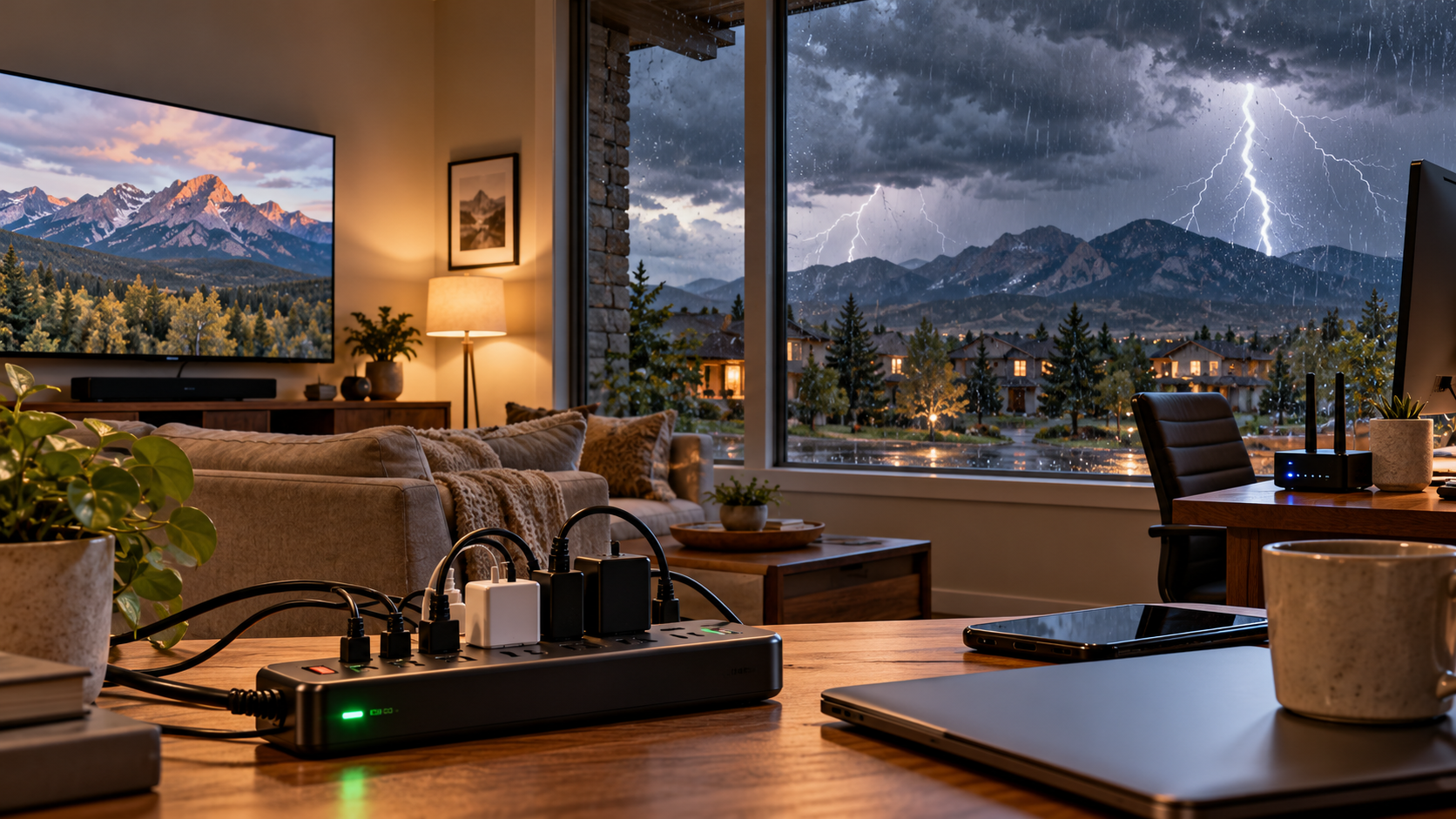
Colorado thunderstorms can bring dramatic lightning, sudden downpours, strong winds, and unexpected changes in weather. While you’re watching the storm roll across the mountains, you might not be thinking about the televisions, computers, appliances, and smart-home devices connected to your electrical system. However, electrical disturbances associated with severe weather can sometimes damage sensitive equipment. For homeowners in Silt, CO, understanding surge protection basics is an important part of preparing their homes for changing weather conditions.
Whole-home surge protection helps reduce the risk of damage from sudden voltage increases that travel through a home’s electrical system. A surge protective device installed at the electrical panel can help limit transient overvoltages affecting connected circuits, while additional plug-in protection may provide another layer of defense for sensitive electronics. Although no surge protector can guarantee complete protection against every electrical event, properly selected and installed devices can help reduce certain electrical risks.
Before choosing surge protection for your Colorado home, keep these important points in mind:
- Power surges can originate outside or inside your home. Lightning-related electrical disturbances, utility events, and equipment switching can produce temporary voltage increases.
- Whole-home surge protection provides broader coverage. A properly installed device at the electrical panel can help protect multiple connected circuits.
- Plug-in surge protectors offer additional protection. Home offices in Silt and Rifle may benefit from point-of-use protection for computers, monitors, and networking equipment.
- Professional installation matters. An electrician can evaluate electrical panel compatibility, grounding, and the appropriate surge protective device.
- Surge protection isn’t the same as lightning protection. A panel-mounted device doesn’t make a building immune to direct lightning strikes or other severe electrical events.
At Always on Electric Inc., we provide residential and commercial electrical services throughout Silt and surrounding Western Colorado communities. We understand that homeowners depend on reliable electrical systems for everything from refrigeration and heating to entertainment and remote work. Our team can help evaluate electrical concerns and discuss appropriate protective measures based on the property’s electrical system. Taking a proactive approach allows homeowners to better understand their options before storm-related electrical problems occur.
What Is a Power Surge and How Can It Affect Your Home?
A power surge is a temporary increase in electrical voltage above the normal operating level of a circuit. These sudden changes, also called transient overvoltages, may last only a very short time, but sufficiently strong surges can damage electronic components or contribute to premature equipment failure.
Understanding Voltage Spikes
Most household electronics are designed to operate within a particular voltage range. When voltage temporarily rises beyond what equipment can tolerate, sensitive internal components may experience electrical stress.
A significant surge can cause immediate damage, although some equipment problems may develop less obviously. Not every voltage disturbance causes damage, and the outcome depends on the equipment and characteristics of the electrical event.
Surge protective devices are designed to limit certain transient overvoltages. They help direct excess surge energy away from protected circuits through an appropriate electrical path.
Where Power Surges Come From
Lightning is one potential source of damaging electrical disturbances, but it isn’t the only cause. Utility switching, faults, and some types of equipment operation can also produce transient voltage changes.
A nearby lightning event may create a surge through electrical conductors without directly striking the home. Disturbances can also enter through certain connected communication or utility lines.
For homeowners throughout Garfield County, these possibilities make surge protection worth considering even when a property hasn’t previously experienced noticeable electrical damage.
Why Should Colorado Homeowners Consider Surge Protection Before Storm Season?
Colorado homeowners should consider surge protection before storm season because thunderstorms and lightning-related electrical disturbances can affect equipment connected to household wiring. Preparing ahead of time gives residents an opportunity to evaluate their electrical systems and select appropriate protective devices without making decisions during an emergency.
Western Colorado Thunderstorms
Silt sits in the Colorado River Valley, where changing mountain weather can bring afternoon and evening thunderstorms during warmer months. Communities such as Rifle, New Castle, Glenwood Springs, and Carbondale also experience seasonal weather that can include lightning and strong winds.
Not every thunderstorm produces a damaging surge, and a storm doesn’t need to strike a home directly to create an electrical disturbance. The actual risk varies with weather conditions, electrical infrastructure, and property characteristics.
Considering surge protection is a reasonable preventive measure rather than a reason to fear every approaching storm.
Modern Homes Have More Sensitive Equipment
Household electrical needs have changed considerably as more technology becomes part of everyday life. Many homes now contain computers, televisions, networking equipment, security systems, smart thermostats, and appliances with electronic controls.
A remote worker in Silt may depend on a laptop, additional monitors, and an internet router throughout the day. Another household may have gaming systems, home entertainment equipment, and smart-home devices connected to several rooms.
When this equipment experiences electrical damage, the inconvenience may extend beyond replacing a single device. Preventive protection can help homeowners reduce exposure to certain voltage-related problems.
How Does Whole-Home Surge Protection Work?
Whole-home surge protection works by using a surge protective device, commonly called an SPD, to limit sudden voltage increases entering or traveling through a home’s electrical distribution system. When properly selected and installed, the device helps reduce the amount of surge energy reaching connected circuits and equipment.
Protection at the Electrical Panel
A whole-home surge protective device is commonly installed at or near the main electrical panel. Depending on its design, it may be connected to the service equipment or an appropriate distribution panel.
The device responds to certain transient overvoltages by limiting the voltage across protected conductors. This helps reduce the electrical stress that might otherwise reach connected equipment.
Because the device serves multiple circuits, it provides a broader protective approach than installing a plug-in surge protector at only one outlet.
Why Grounding and Installation Matter
Surge protection depends on more than simply purchasing an electrical device. The electrical system’s grounding and bonding arrangements, conductor connections, device ratings, and installation method can influence performance.
A qualified electrician can evaluate these conditions and identify a compatible protective device. Incorrect installation may reduce effectiveness or create electrical hazards.
The National Fire Protection Association’s research materials identify grounding quality and proper installation as important considerations for permanently installed surge protective devices. Homeowners should leave electrical panel work to trained professionals rather than attempting to install these devices themselves.
Understanding the Limits of Protection
A whole-home SPD is designed to reduce certain electrical surges, not eliminate every possible electrical hazard. Device performance depends on the surge’s characteristics, equipment ratings, installation quality, and other system conditions.
Extremely severe events may exceed a device’s protective capabilities. In addition, some equipment may need protection through communication lines or other connections beyond ordinary electrical outlets.
A whole-home surge protector also isn’t a substitute for a complete lightning protection system. Lightning protection involves separate design considerations and standards intended to address lightning-related hazards.
Do You Still Need Plug-In Surge Protectors With Whole-Home Protection?
Plug-in surge protectors can provide an additional layer of protection even when a home has a professionally installed whole-home SPD. Combining protection at the electrical panel with suitable point-of-use devices is often called a layered approach, and it can be especially useful for sensitive electronics.
Whole-Home vs. Point-of-Use Protection
Whole-home surge protection helps limit certain voltage disturbances affecting multiple circuits. Plug-in surge protectors are positioned closer to individual devices, such as computers, televisions, and gaming equipment.
These products serve different but complementary purposes.
For example, a homeowner in Rifle might install whole-home protection at the main panel and use additional surge protectors for a home office. This arrangement may provide more comprehensive coverage than relying on a single device.
Not Every Power Strip Is a Surge Protector
A standard power strip simply provides additional receptacles for connecting equipment. Unless it is specifically designed and labeled for surge protection, it shouldn’t be assumed to offer protection against voltage spikes.
When selecting point-of-use devices, homeowners should look for products with appropriate safety certification and manufacturer specifications. Protection status indicators can also help identify when certain devices may need replacement.
Surge protectors should never be overloaded or used in ways that conflict with their instructions. Major appliances and high-power equipment may have additional requirements that should be reviewed before connecting them to a plug-in device.
Which Household Electronics Benefit From Surge Protection?
Many types of household electronics can benefit from surge protection because they contain components that may be sensitive to transient voltage changes. This includes entertainment equipment, computers, communication devices, smart-home controls, and certain appliances with electronic circuit boards.
Home Offices and Entertainment Systems
Remote workers often rely on equipment that needs to remain dependable throughout the workday. Computers, monitors, docking stations, and routers can represent a significant investment.
Families may also want to protect televisions, gaming consoles, audio systems, and home theater equipment. These devices frequently share outlets or entertainment areas, making suitable point-of-use protection worth evaluating.
A surge protector doesn’t prevent every kind of equipment failure, but it can help reduce exposure to certain electrical disturbances.
Appliances and HVAC Equipment
Modern refrigerators, washing machines, dryers, and HVAC systems may include electronic controls. These components can also be affected by electrical disturbances under certain conditions.
Because some appliances use dedicated circuits or specialized connections, plug-in protection isn’t always appropriate.
A whole-home SPD may help reduce surge exposure across multiple circuits, while additional equipment-specific protection may be worth discussing with an electrician or the appliance manufacturer.
Smart-Home Technology
Smart thermostats, security systems, cameras, and connected home automation devices rely on electronic components. They may also be connected through network cables or other wiring that requires separate consideration.
For new homeowners and families renovating properties in Silt, reviewing surge protection during electrical upgrades can be practical. It provides an opportunity to evaluate the electrical panel and the growing number of devices connected throughout the home.
How Can You Tell Whether Your Home Needs Better Surge Protection?
A home may benefit from improved surge protection when it contains valuable electronics, lacks a panel-mounted SPD, or has electrical conditions that warrant professional review. However, homeowners shouldn’t assume that unexplained equipment failures automatically prove a surge has occurred.
Signs Worth Discussing With an Electrician
Certain conditions can make an electrical assessment especially useful:
- Your home doesn’t have an identifiable whole-home surge protective device.
- You rely on several computers, monitors, or networking devices.
- You recently installed expensive electronic appliances.
- You’ve expanded your smart-home or entertainment systems.
- You experienced equipment problems after a storm or utility disturbance.
- You’re renovating a home or updating its electrical panel.
- Some surge protectors show that their protective function is no longer active.
- You’re unsure whether existing grounding and bonding arrangements are adequate.
These observations don’t confirm that the home is unsafe or that damage is imminent. They provide useful starting points for discussing protective measures with a qualified electrician.
Problems That Need More Than a Surge Protector
Repeatedly tripping breakers, burning odors, hot outlets, or damaged electrical equipment may indicate problems unrelated to ordinary surge protection. Installing an SPD won’t correct faulty wiring, overloaded circuits, or deteriorating connections.
These warning signs should be evaluated by a qualified electrician.
If you notice sparks, smoke, or signs of an active electrical fire, move to safety and contact emergency services. Never open an electrical panel or handle damaged electrical components in an attempt to investigate the problem yourself.
What Should Homeowners Do to Prepare Their Electronics for Storms?
Homeowners can prepare their electronics for storms by reviewing existing surge protection, maintaining important data backups, and scheduling professional electrical assessments when appropriate. These steps help reduce certain risks while acknowledging that no single device can guarantee complete protection.
Take Preventive Steps Before Severe Weather
Storm preparation is easier when protective equipment is selected and installed in advance. This gives homeowners time to understand product ratings, confirm compatibility, and discuss electrical concerns.
Consider these practical steps:
- Check whether your home already has whole-home surge protection.
- Use properly rated plug-in surge protectors for suitable electronics.
- Maintain backups of important computer files and documents.
- Keep essential electronic devices connected according to manufacturer recommendations.
- Monitor protective status indicators on applicable surge devices.
- Schedule professional electrical inspections when equipment or wiring conditions raise concerns.
Some homeowners may choose to unplug nonessential electronics before severe storms when doing so is safe and practical. However, essential medical equipment and other critical devices require their own continuity and safety plans.
Know What to Do After a Power Disturbance
If a storm causes an outage, avoid assuming the electrical system is ready for normal use immediately after power returns. Check for obvious damage and follow equipment manufacturer instructions.
Devices that smell burnt, show visible damage, or operate abnormally should not be used until appropriately evaluated.
If a surge protector indicates that its protective function has failed, replace it according to the manufacturer’s guidance. A device that continues supplying electricity may no longer provide the intended level of surge protection.
Frequently Asked Questions About Whole-Home Surge Protection
Is whole-home surge protection worth it in Silt, CO?
Whole-home surge protection may be worthwhile for Silt homeowners who want to reduce exposure to certain voltage disturbances affecting household circuits. The value depends on the home’s electrical system, connected equipment, and protective devices already installed. A professional assessment can help determine whether an SPD is appropriate.
Can a surge protector prevent damage from lightning?
A surge protector can help reduce certain lightning-related voltage spikes, but it cannot guarantee protection against every lightning event. A direct strike or unusually severe surge may exceed the device’s capabilities. Whole-home surge protection also isn’t a replacement for a properly designed lightning protection system.
Does whole-home surge protection protect every appliance?
Whole-home surge protection can help limit voltage spikes affecting multiple circuits, including circuits serving certain appliances. However, the actual level of protection depends on device ratings, installation, and surge characteristics. Additional point-of-use or equipment-specific protection may be appropriate for some electronics.
Do homeowners in Rifle and Glenwood Springs need both types of surge protection?
A layered approach can be useful for homeowners throughout Western Colorado who have sensitive electronics or extensive home technology. Panel-mounted protection and suitable plug-in devices serve complementary purposes. A qualified electrician can evaluate the electrical system and recommend an appropriate combination.
Can I install a whole-home surge protector myself?
Whole-home surge protector installation should be performed by a qualified electrician because it involves electrical panel connections and safety requirements. Improper installation can create hazards and reduce the device’s effectiveness. Homeowners should avoid removing electrical panel covers or attempting to connect protective devices themselves.
How long does a whole-home surge protector last?
The service life of a whole-home surge protector varies according to product design, operating conditions, and the electrical disturbances it experiences. Some devices include indicators showing whether protection remains active. Homeowners should follow manufacturer recommendations and have questionable equipment evaluated professionally.
Will whole-home surge protection prevent power outages?
No, whole-home surge protection doesn’t prevent electrical service interruptions or provide backup power. Its purpose is to limit certain transient voltage increases rather than maintain electricity during an outage. Homeowners who need backup power should discuss separate solutions with a qualified electrical professional.
Can Always on Electric Inc. help evaluate electrical protection options?
We provide residential and commercial electrical contracting services throughout Silt and surrounding Western Colorado communities. Homeowners can contact our team to discuss their electrical panel, existing protective equipment, and interest in a surge protection assessment. We can help determine the appropriate next steps for their situation.
Protect Your Colorado Home With a More Informed Electrical Plan
Colorado storms are part of life in Western Colorado, but homeowners can take practical steps to reduce their exposure to certain electrical risks. Understanding surge protection basics makes it easier to distinguish between whole-home devices, plug-in protectors, and dedicated lightning protection systems. While no product can eliminate every possibility of electrical damage, properly selected protective equipment can help limit transient voltage spikes affecting household circuits. Preparing before storm season also gives you time to address questions about your electrical panel, grounding, and sensitive electronics.
At Always on Electric Inc., we understand that a home’s electrical system supports much more than lighting and ordinary appliances. From computers and internet equipment to refrigerators, entertainment systems, and smart-home technology, modern households depend on reliable electrical infrastructure. We serve Silt and surrounding communities, including Rifle, New Castle, Glenwood Springs, Carbondale, and other Western Colorado locations. Our goal is to help property owners understand their electrical needs and make informed decisions about improvements that support long-term reliability and safety.
Explore Whole-Home Surge Protection Options in Silt, CO
If you’d like to learn more about protecting your home’s electronics and electrical equipment, contact Always on Electric Inc. to discuss a professional surge protection assessment or installation consultation. Contact us online or call (970) 309-2616 to ask about evaluating your electrical panel and identifying appropriate protective options. We’ll help you explore practical next steps based on your home’s electrical system and the equipment you rely on every day.