

Is Your Home Ready for a Colorado Winter? Backup Generator Basics for Rifle Homeowners
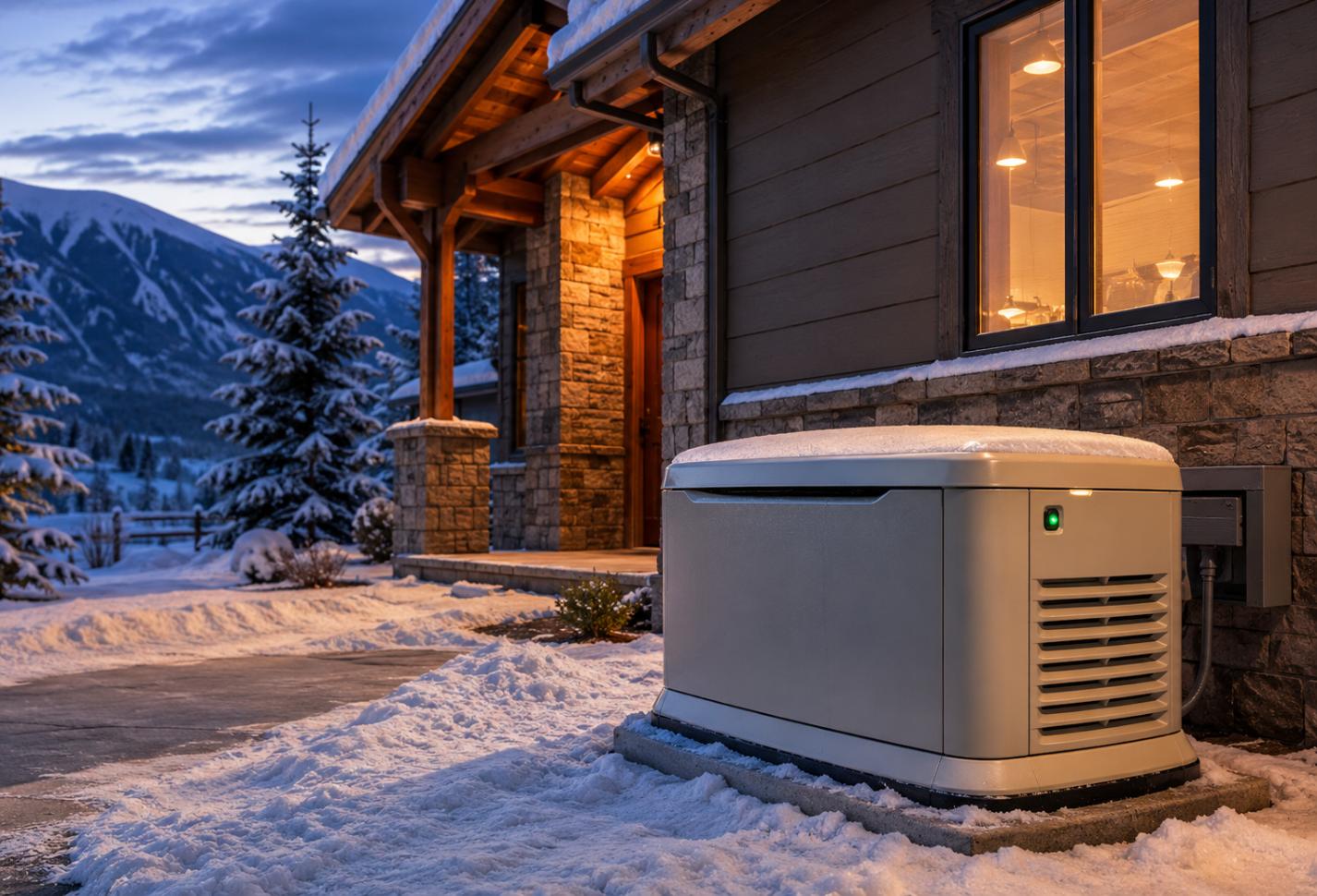
Winter in Rifle can turn a routine power outage into a much bigger household problem. When temperatures drop and snow, wind, equipment trouble, or other disruptions affect electrical service, homeowners may suddenly be thinking about heat, refrigeration, lighting, communications, and other essential loads.
A backup generator can provide power during an outage, but choosing one is not as simple as buying the largest unit available. Rifle homeowners need to think about which circuits actually need backup power, generator sizing, safe placement, fuel, transfer equipment, and professional electrical installation.
Quick answer: A backup generator can be a practical option for Rifle homeowners who want essential electrical systems available during an outage, particularly during cold Western Colorado weather. The right setup depends on your home’s electrical load, heating equipment, fuel availability, and whether you want to power a few critical circuits or most of the house.
What local homeowners should know
-
A generator should be sized around the electrical loads you plan to operate, not simply the square footage of your home.
-
Cold weather in Garfield County can make an extended winter outage more disruptive because some homes depend on electricity for heating equipment, controls, pumps, or other critical systems.
-
Rifle’s own emergency-preparedness guidance warns that outages can result from severe weather, wildfires, accidents, and equipment failures.
-
Portable and permanently installed standby generators serve different needs and require different planning.
-
Generator power must be safely isolated from utility power through appropriate transfer equipment.
Why Backup Power Matters in Rifle
Backup power matters in Rifle because an electrical outage during cold weather can affect far more than the lights. Depending on the home, loss of electricity can interrupt heating-system components, refrigerators and freezers, well or circulation pumps, internet equipment, garage doors, and other systems homeowners rely on every day.
Rifle sits in Western Colorado along the Colorado River corridor, with New Castle to the east and communities such as Silt and Parachute nearby. Local properties range from homes close to the center of town to more rural properties across Garfield County, so backup-power priorities can vary considerably.
The City of Rifle’s Rifle Ready emergency-preparedness information specifically notes that utility disruptions can occur with little warning and may be caused by severe weather, wildfires, accidents, or equipment failures. The city also reminds residents that extended outages are not exclusively a winter concern.
Always On Electric Inc helps local homeowners evaluate electrical solutions for their properties. When we discuss backup power, the goal is to identify what a household actually needs during an outage and design the electrical side of the system around those priorities.
What Local Data Tells Us About Power Reliability
Local utility information shows that reliable service does not eliminate the possibility of an outage. Holy Cross Energy reports a 2023 system reliability figure of 99.988 percent, while also reporting that an average member experienced 0.864 outages and 61 total minutes without power that year.
Those systemwide figures do not predict what will happen at an individual Rifle property. They do show why backup power is a preparedness decision rather than an assumption that outages happen constantly.
Holy Cross Energy also identifies separate fire-safety and Public Safety Power Shutoff zones for Parachute/Rifle West and Rifle East/New Castle. The utility explains that weather, equipment failures, transmission issues, wildfire conditions, and other circumstances can still interrupt service.
How Does a Backup Generator Affect a Rifle Home During an Outage?
A properly designed backup generator supplies selected household electrical loads when normal utility power is unavailable. Depending on its capacity and configuration, that could mean maintaining only a few essential circuits or supplying a much larger portion of the home’s electrical system.
Homeowners often prioritize equipment such as:
-
Heating-system electrical components
-
Refrigerators and freezers
-
Selected lighting
-
Well or water equipment where applicable
-
Internet and communications equipment
-
Sump or circulation pumps
-
Essential receptacles
The important distinction is that “backup power” does not automatically mean “everything runs normally.” A correctly planned system establishes realistic priorities based on available generator capacity.
Warning Signs Your Home May Need a Better Backup-Power Plan
A home may need a backup-power plan when even a relatively short outage would interrupt systems the household cannot comfortably leave without power. That concern becomes especially relevant as colder weather approaches the Rifle area.
Watch for these situations:
-
Your heating system depends on electrical controls, blowers, pumps, or ignition components.
-
Your property relies on an electrically powered well or other essential pump.
-
You have experienced outages that significantly disrupted your household.
-
You need refrigeration for important household necessities.
-
Your current portable-generator plan requires unsafe extension-cord arrangements.
-
You are unsure which circuits could safely operate from your existing generator.
-
Your household wants automatic backup rather than manually setting up equipment during bad weather.
When Should You Call an Electrician About Generator Power?
Call a qualified electrician when backup power needs to connect to your home’s permanent electrical system. Homeowners can make a list of essential appliances and circuits themselves, but electrical load calculations, transfer equipment, panel connections, grounding considerations, and permanent wiring should be evaluated professionally.
This is especially important in Garfield County homes with larger electrical loads or older electrical equipment. A generator that is too small may not support the intended loads, while an improperly connected generator can create serious electrical hazards.
Never connect a portable generator to a home by improvising a connection through a receptacle. Generator power needs an appropriate method of preventing dangerous interaction with utility power.
What Are the Most Common Backup Generator Considerations?
The most common generator considerations are load size, generator type, fuel, transfer equipment, placement, and the condition of the home’s electrical system. Each one affects whether backup power will work safely and practically when an outage occurs.
1. Electrical Load
Start by deciding what actually needs to remain powered. A refrigerator and several lights require much less capacity than a home attempting to operate numerous large electrical appliances simultaneously.
2. Portable vs. Standby Equipment
Portable generators can provide targeted backup power but require manual setup, proper outdoor operation, and safe electrical connections. Permanently installed standby systems can be configured for automatic operation but involve more extensive equipment and installation.
3. Transfer Equipment
Transfer equipment separates generator power from normal utility power. It is a critical part of a properly connected home backup system.
4. Generator Location
Generators produce carbon monoxide and exhaust. The City of Rifle instructs residents to operate generators outdoors and away from doors, windows, and vents, never inside a home, garage, shed, or other enclosed area.
5. Local Fire Conditions
Backup-power planning in Western Colorado is not limited to winter. Garfield County fire restrictions can also affect operation of internal-combustion equipment. During applicable restrictions, county guidance addresses spark arrestors and fire-extinguishing equipment for generators and similar equipment in undeveloped areas.
How Should Rifle Homeowners Prepare a Generator for Winter?
Winter generator preparation should focus on safe operation, reliable starting, adequate fuel planning, and confirming that the electrical connection is ready before an outage occurs. Testing and inspection are much easier on a clear fall day than during a cold nighttime outage.
Before winter:
-
Review the manufacturer’s maintenance requirements.
-
Confirm that the generator starts and operates correctly.
-
Check that the planned operating location remains clear of doors, windows, and vents.
-
Make sure snow accumulation will not lead you to operate equipment in an enclosed area.
-
Review which circuits the system is designed to support.
-
Have questionable transfer equipment or electrical connections inspected professionally.
-
Keep outage supplies and flashlights accessible.
DIY preparation should stop where permanent electrical wiring begins.
What Results Can You Expect From a Proper Backup-Power Setup?
A properly planned backup-power system should give you a clear, safe way to supply the circuits selected for outage use. The exact result depends on generator capacity, the transfer configuration, fuel supply, and the electrical demands of your home.
Some homeowners want basic emergency coverage. Others want broader backup for comfort and convenience. Establishing that goal before choosing equipment can prevent both undersizing and unnecessary oversizing.
Common Generator Mistakes Rifle Homeowners Should Avoid
The biggest generator mistakes involve unsafe placement, poor sizing, and improper connections to the home’s electrical system. Avoiding these mistakes is more important than simply purchasing more generator capacity.
Mistake: Buying based only on advertised generator wattage.
Consequence: The generator may not match actual starting and operating loads.
Better approach: Identify essential circuits and calculate their electrical requirements.
Mistake: Running a portable generator in a garage.
Consequence: Carbon monoxide can accumulate and create a deadly hazard.
Better approach: Follow manufacturer instructions and operate portable generators outdoors, safely away from openings.
Mistake: Improvising a connection to the house.
Consequence: An unsafe connection can expose occupants, equipment, and utility workers to electrical hazards.
Better approach: Use properly selected transfer equipment and professional electrical installation.
A Common Rifle Winter Scenario
A common local scenario begins with a homeowner realizing during an outage that several “essential” systems all need electricity at once. The furnace may require electrical power, food needs refrigeration, phones need charging, and a pump or other household equipment may also be important.
Buying a generator after the outage starts makes careful planning difficult. Evaluating those loads before winter gives the homeowner time to decide what should receive backup power and whether a portable or standby approach makes more sense.
What Generator Services Help Solve Backup-Power Problems?
Generator-related electrical services help homeowners safely integrate backup equipment with the circuits and electrical panel that need power during an outage. Depending on the property and selected equipment, that may include electrical evaluation, load planning, transfer equipment, dedicated connections, panel-related work, and installation support.
At Always On Electric Inc, we can help homeowners determine what electrical work is appropriate for their backup-power goals without assuming every property needs the same solution.
Portable Generator vs. Standby Generator: Which Is Better?
Portable generators are generally better suited to homeowners comfortable with manual outage preparation, while standby systems are designed for a more integrated backup-power experience. The better option depends on how much power you need, how quickly you want backup available, and how much manual setup you are prepared to handle.
A portable setup may make sense when only selected loads need temporary power. A standby system may make more sense when automatic operation or broader household coverage is a priority.
There is also another option worth considering. Holy Cross Energy notes that battery storage can provide electricity during grid outages, while solar panels alone generally will not continue powering a home during an HCE outage unless appropriate backup storage is installed.
Backup Power Service Areas Around Rifle
Backup-power planning is relevant throughout Rifle and surrounding Garfield County communities where winter weather and regional outages can affect homeowners. Electrical needs can differ between in-town properties, rural homes, and residences in nearby areas such as Silt, New Castle, and Parachute.
What Can Happen If You Wait Until an Outage?
Waiting until the power is already out leaves little opportunity to safely size, install, or correct a home generator connection. During a winter outage, that can mean losing access to selected heating components, refrigeration, pumps, lighting, or communications until utility service returns.
Rifle’s emergency-preparedness guidance recommends planning for outages before they happen. Generator preparation follows the same principle: decide what matters, understand the electrical requirements, and make sure the equipment can be operated safely.
FAQ
Do I need a backup generator in Rifle, CO?
Not every Rifle home needs a backup generator, but it can be valuable when an outage would interrupt essential electrical loads. Consider your heating equipment, refrigeration, water system, communications, and previous outage experience. The best decision depends on how long your household can reasonably function without those electrical systems.
What size generator do I need for a Rifle home?
Generator size should be based on the loads you want to power, not simply your home’s square footage. An electrician can help identify running and starting requirements for essential equipment. Homes with electric heating equipment, pumps, or multiple large appliances can have very different requirements from homes using primarily gas appliances.
Can I run a portable generator in my garage during a Colorado snowstorm?
No, a portable generator should never be operated inside a garage or other enclosed space. The City of Rifle specifically warns residents to operate generators outdoors and away from doors, windows, and vents because generator exhaust contains dangerous carbon monoxide. Always follow the generator manufacturer’s placement and operating instructions.
Will my solar panels power my Rifle home during an outage?
Solar panels alone generally will not keep an HCE-connected home powered during a utility outage. Holy Cross Energy states that members with solar systems need backup battery storage or another properly configured backup source to have electricity during an outage. System design and equipment determine exactly what loads can remain powered.
Are outages only a winter concern in Garfield County?
No, Garfield County homeowners can face outage risks in multiple seasons. The City of Rifle identifies severe weather, wildfires, accidents, equipment failures, and other events as potential causes. Holy Cross Energy also maintains fire-safety and Public Safety Power Shutoff zones covering the Rifle area.
Can I connect a generator directly to my electrical panel?
A generator connection to a home’s permanent electrical system requires properly designed transfer equipment and electrical work. The system must prevent generator power from being improperly fed into utility lines. Homeowners should have the connection evaluated and installed by a qualified professional rather than improvising a panel or receptacle connection.
Should I test my generator before winter in Rifle?
Yes, testing before winter can reveal starting, maintenance, or connection problems before an outage occurs. Follow the manufacturer’s testing and maintenance instructions, verify the safe outdoor operating location, and confirm which circuits your system supports. Have any concerns involving permanent wiring, panels, or transfer equipment evaluated by an electrician.
Is a battery backup better than a generator for a Rifle home?
Neither option is automatically better because batteries and generators solve backup-power needs differently. Batteries can provide stored electricity without running an engine, while generators may offer another approach to longer-duration backup when fuel is available. Your required loads, desired runtime, existing solar system, property, and budget all affect the decision.
Prepare Your Rifle Home Before the Cold Arrives
A backup generator is most useful when the system has been planned before the lights go out. Understanding your essential loads, selecting appropriate equipment, and establishing a safe electrical connection can make outage preparation much more straightforward for Western Colorado homeowners.
Build a Safer Backup-Power Plan for Your Rifle Home
We can help you evaluate the electrical side of backup power so you know what your system is designed to handle before winter conditions arrive.